For decades, high-end interior architecture was defined by austerity: sharp orthogonal planes, unyielding steel profiles, and a restrained palette intended to project institutional seriousness. Today, that cold minimalism is yielding to an entirely different signifier of prestige. Soft, chubby, and unabashedly playful forms are capturing upper-tier residential interiors, transforming spaces once dominated by rigid geometries into environments rich with tactile humor and intellectual depth. Far from representing a fleeting novelty, these cartoonish silhouettes and pop-culture references signal a sophisticated shift toward emotional resonance, where high art and childlike wonder intersect.
/ 01 Departing from Rigidity: The Rise of Neotenic Forms
The movement away from clinical perfection finds its foundation in neoteny—the biological phenomenon of retaining juvenile features into adulthood. Applied to spatial design, neotenic objects feature rounded proportions, thick stubby legs, and exaggerated outlines that evoke immediate emotional warmth. Designers Justin Donnelly and Monling Lee of Brooklyn-based Jumbo Studio have championed this ethos, deploying tubular geometries and curves reminiscent of cavatappi pasta to forge an intuitive bond between user and object. Their work includes the tubular Neotenic Lamp created for Petite Friture and the fortune-cookie-shaped Fortune Chair for Heller, both of which reduce functional lighting and seating to pure, expressive gestures.
This preference for soft, sculptural volume has reordered priorities around haptic comfort. British designer Faye Toogood brought rotund shapes to the foreground of contemporary design with her bowl-like Roly-Poly Chair—originally conceived in fiberglass for her Assemblage 4 collection—and her cushioned Puffy Lounge Chair for Hem. These pieces provide a deliberate antidote to the hard edges of classical modernism, offering an inviting visual weight that softens pristine architectural envelopes.
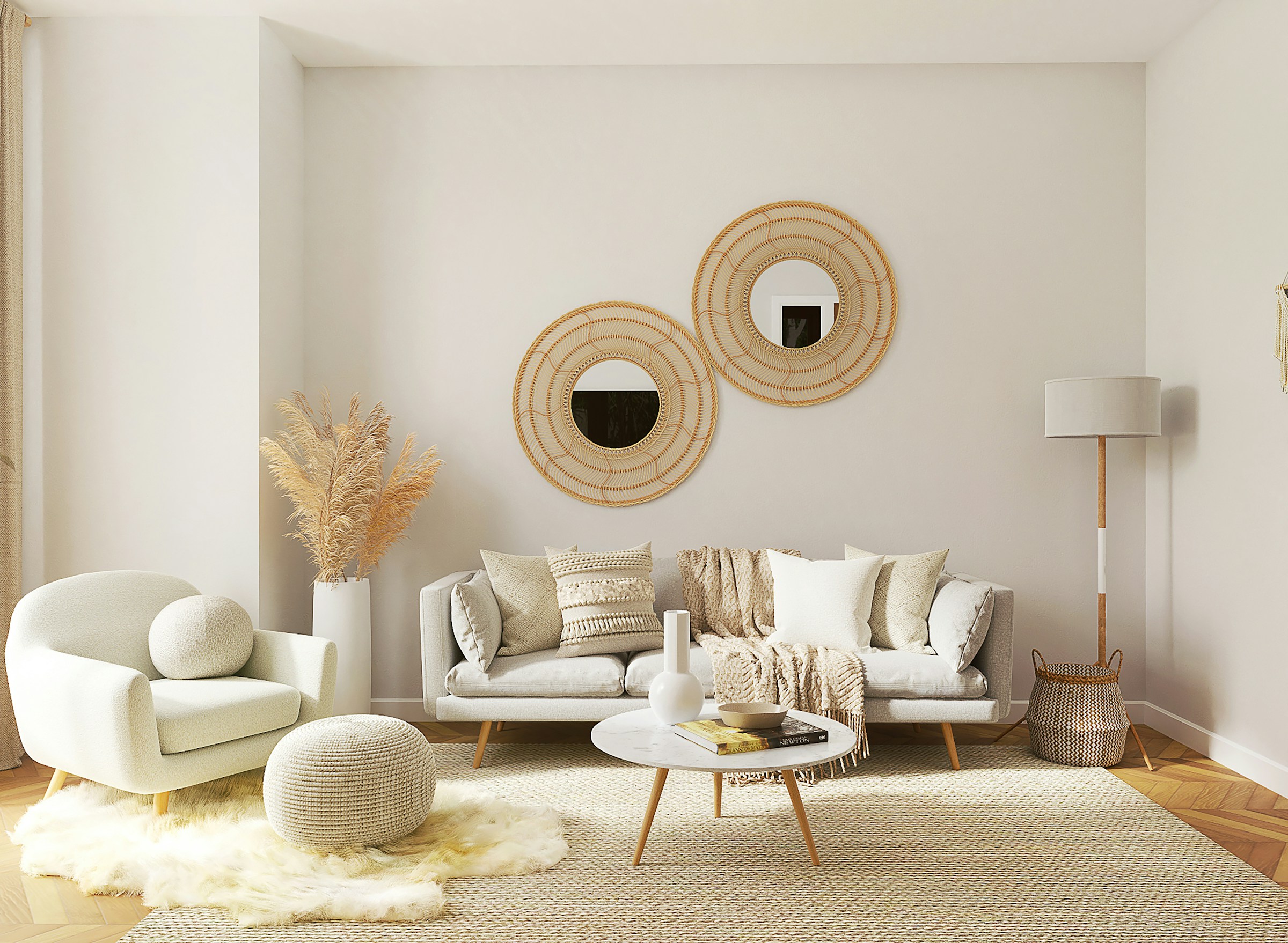
The appetite for rounded comfort has also fueled a resurgence of mid-century organic masterworks. Pierre Paulin’s cloud-like Pacha Lounge Chair, reissued by Gubi, demonstrates how low-slung, curvy seating can dismantle the formality of high-ceilinged rooms, substituting rigid symmetry with laid-back, sculptural elegance.
/ 02 Nostalgia as Sculptural Intellect: From Memphis to Radical Design
The current embrace of playful forms builds directly upon the legacy of mid-to-late 20th-century anti-design movements. Italian Radical Design, led by visionaries such as Gaetano Pesce, systematically challenged modernist dogma. Pesce’s anthropomorphic UP5 "La Mamma" Chair for B&B Italia, along with his resin-cast Pratt Chair and Carenza Bookcase, proved that figurative, caricatured objects could communicate profound social critique and intellectual weight without surrendering functional purpose.
Similarly, the Memphis Group, founded in 1981 by Ettore Sottsass, introduced graphic, illustrative shapes and unexpected color combinations to counter the era’s restrained good taste. Iconic pieces like Sottsass’s Carlton Bookcase and Tahiti Lamp are no longer viewed merely as historic artifacts; they are integrated into high-end residences as dominant artistic features. In exhibitions such as Raquel's Dream House in Soho, New York, Sottsass’s Memphis creations were staged alongside Al Freeman’s oversized fabric and foam sculptures of lighters and pill bottles within a luxury townhouse, highlighting the enduring appeal of anti-functionalist design in upscale environments as documented by Dezeen.
The shift toward neotenic and cartoonish forms represents a deliberate rebellion against sterile perfection, using playful geometry to inject human warmth into residential space.Curatorial Perspective on Collectible Interiors
Contemporary creators continue to extend this disruptive dialogue. Designer Misha Kahn transforms ocean plastic, cast aluminum, and biomorphic resins into gallery-grade pieces like his Scrappy Cabinet and the Soft Bodies, Hard Spaces series. Kahn’s practice subverts traditional notions of fine craftsmanship, turning raw, cartoonish chaos into highly coveted design statements.
/ 03 Balancing Playful Contours Within High Architecture
Integrating expressive, chubby furniture into sophisticated interiors requires precise compositional balance. Rather than cluttering an entire space with whimsical objects, interior architects deploy playful pieces as deliberate focal points that tension the surrounding structure.
In a New York Soho space designed by Tina Rich Design, a charcoal-black Faye Toogood Roly Poly Chair anchors a room featuring raw concrete walls and Japanese wooden screens. The chair's bulky, childish silhouette breaks the harsh brutalism of the architectural shell, creating a dialogue between industrial permanence and soft human presence.
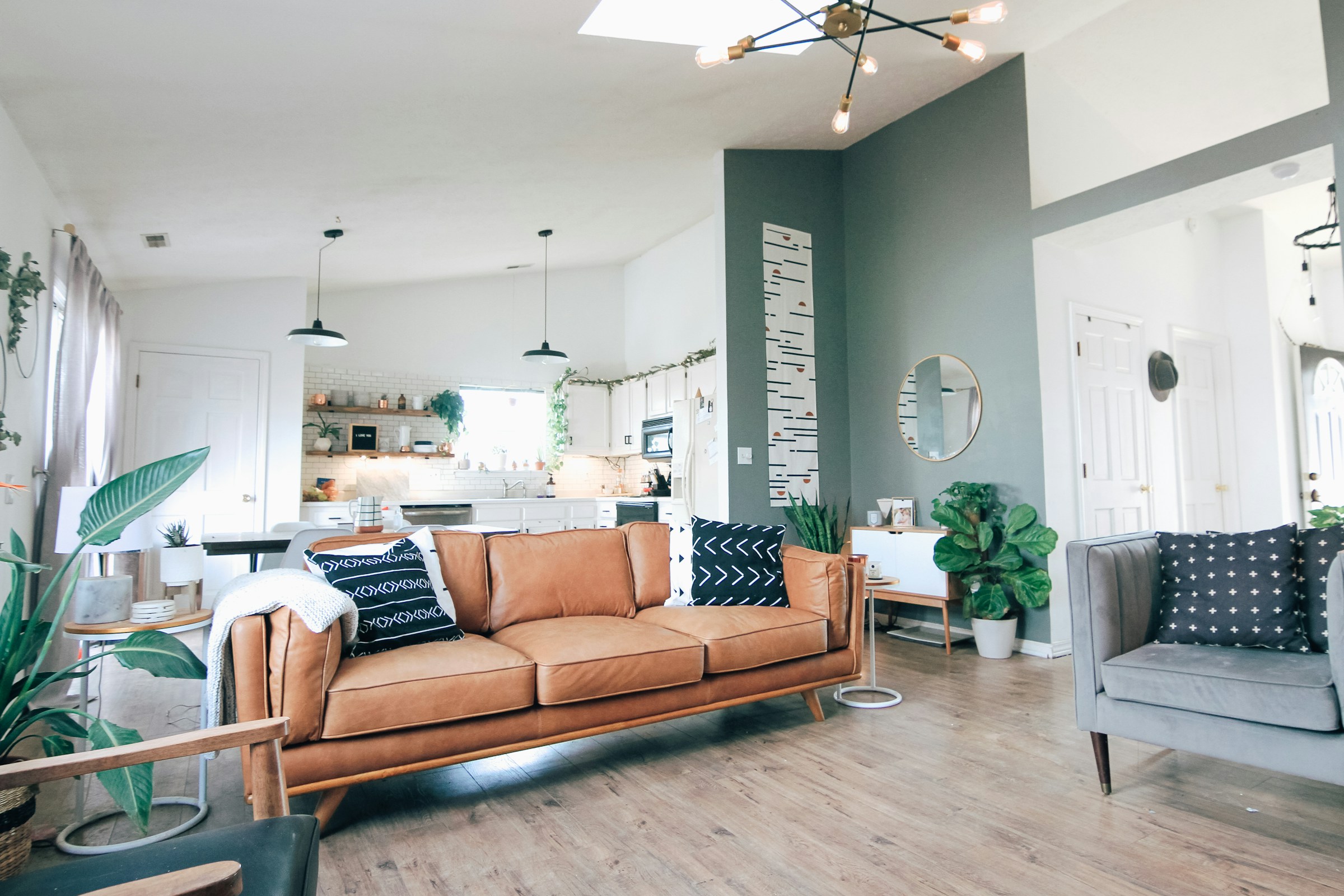
Historic structures benefit equally from this contrast. Inside a listed 1797 Georgian house in London's Whitechapel—known as Hostem's New Road Residence—mid-century Pierre Jeanneret wooden chairs share space with Toogood’s fairytale-like seating. The juxtaposition of historic plasterwork, mid-century geometry, and plump contemporary shapes yields a layered interior narrative. Similarly, in the restoration of a 1950s monumental villa, studio Bureau Fraai together with Lagrand Interior Design balanced rational architectural lines by inserting sweeping curves and tactile natural materials, ensuring the residence felt welcoming rather than austere.
/ 04 Ephemeral Trend or Timeless Investment: Cartoonish Furniture as Collectible Icons
The market for collectible design confirms that expressive, cartoonish forms are not mere aesthetic fads. Leading design galleries and global platforms—including Friedman Benda, Design Miami, Nomad Monaco, and Collectible Brussels—have seen strong demand for experimental work that rejects conventional norms, as highlighted by industry reports.
Auction houses and major museum collections further validate these works. When Cassina produced Gaetano Pesce’s limited series of 61 unique resin-cast Sessantuna Tables, the pieces commanded significant interest at Phillips de Pury auctions, demonstrating that radical visual humor can yield long-term cultural and financial value.
Institutional recognition confirms this trajectory. Designers who pioneered playful visual languages are receiving top honors; Faye Toogood was awarded an MBE (Member of the Order of the British Empire) for services to design. As high-end interiors prioritize personal expression over distant perfection, cartoonish and pop-infused forms stand firmly established as key elements of contemporary luxury.
- Neotenic Shift: High-end interiors are replacing sharp, clinical minimalism with rounded, tactile forms that establish emotional resonance.
- Historical Roots: Today’s playful aesthetic draws directly from the intellectual rebellions of Italian Radical Design and the 1980s Memphis Group.
- Architectural Counterpoint: Chubby, sculptural objects act as effective visual balance points when set against raw concrete, historic detailing, or rigid plan geometries.
- Collectible Investment: Backed by major galleries, auction houses, and royal honors, pop-influenced furniture has secured its place as a lasting category in modern design.